Credit + Banking

Nadine Burgos
AFC® Candidate, CPA Candidate, and CFP™ Candidate
Buy Now, Pay Later: What the Fine Print Actually Means for Your Credit

BNPL splits purchases into smaller payments, but the effect on your credit can add up. Here's what the fine print actually means for your score.
You’re shopping online. It might be a pair of shoes, a flight, or something you’ve been putting off for a while. Then you reach checkout and see the option to “Pay in 4 installments.”
There’s no long application or credit card form. You just split the total into smaller payments over the next several weeks and move on. It feels simple in the moment, and that simplicity is a big reason Buy Now, Pay Later (BNPL) has grown so quickly.
According to January 2025 Consumer Financial Protection Bureau (CFPB) data, more than 1 in 5 consumers with a credit record used BNPL in 2022, up from 17.6% the year before. But what often gets missed is that BNPL doesn’t just change how people pay, it changes how spending feels while it’s happening.
The purchase feels smaller upfront and the repayment is still real, even if it doesn’t feel like traditional debt. That gap between perception and reality is where most of the tradeoffs sit.
How BNPL actually works (the two versions most people don't realize are different)
Most people first see BNPL through apps like Klarna, Afterpay, Affirm, or PayPal Pay Later. Statista shows that these providers make up the majority of BNPL usage in the U.S., with Klarna and Afterpay leading in awareness and Affirm heavily associated with longer-term financing.
BNPL is usually grouped into one category, but it actually comes in two different structures. They behave differently in repayment, credit reporting, and long-term impact. That difference matters more now than it used to, especially as BNPL becomes more connected to traditional credit systems.
The pay-in-four version
The most common version is the pay-in-4 model. You make a purchase, pay part upfront, and split the rest into three payments over about six weeks. Payments are usually automated every two weeks until the balance is cleared. Most of the time there’s no interest, and for years these plans didn’t appear on credit reports. That combination made them feel separate from traditional borrowing.
The tradeoff is that multiple small plans can run concurrently without always being obvious. A Congressional Research Service report (CRS R48858) notes this structure helped drive BNPL growth because it reduces friction at checkout while still creating repayment obligations in the background.
The result is that it can feel lighter than it actually is, especially when several plans overlap.
Longer-term BNPL financing
The second version of BNPL works more like a traditional loan. Instead of six weeks, repayment can stretch across months or even years. It’s often used for larger purchases like furniture, electronics, travel, or medical expenses. Providers like Affirm are commonly associated with this structure. Interest may apply depending on the offer, which can increase the total cost beyond the original purchase. At that point, BNPL starts to look less like a payment split and more like an unsecured installment loan.
A JPMorgan Chase Institute analysis describes this as part of a broader shift in consumer finance, where short-term liquidity tools are now built directly into everyday spending decisions.
The tradeoff here is clearer structure and longer repayment time, but potentially higher total cost depending on terms.
The credit reporting shift that changed the BNPL picture
For years, most BNPL activity didn’t appear on credit reports. That meant people could have multiple active plans across different apps without seeing them in one place.
That began changing in late 2025 when the major credit bureaus (Experian, Equifax, and TransUnion) started building systems to incorporate BNPL data into credit files. Credit scoring models also began adapting to better reflect installment-style repayment behavior.
A Congressional Research Service report (CRS R48858) notes that visibility was one of the key issues regulators were trying to address, since BNPL was growing faster than traditional reporting systems could track. This doesn’t mean every BNPL purchase now shows up on a credit report. It means more of them can be captured over time.
That shift matters because CFPB research found that about 63% of BNPL borrowers were carrying more than one active loan at once, and about 33% used more than one provider. In other words, most consumers have more than one active BNPL plan at any given time.
What BNPL can do to your credit score
BNPL can affect credit in a few different ways depending on the product and whether it’s reported. Some effects are direct, while others show up through borrowing behavior.
Payment history
Payment history is the most important factor in most credit scoring models. FICO has stated it makes up about 35% of a traditional credit score, making it the largest single component.
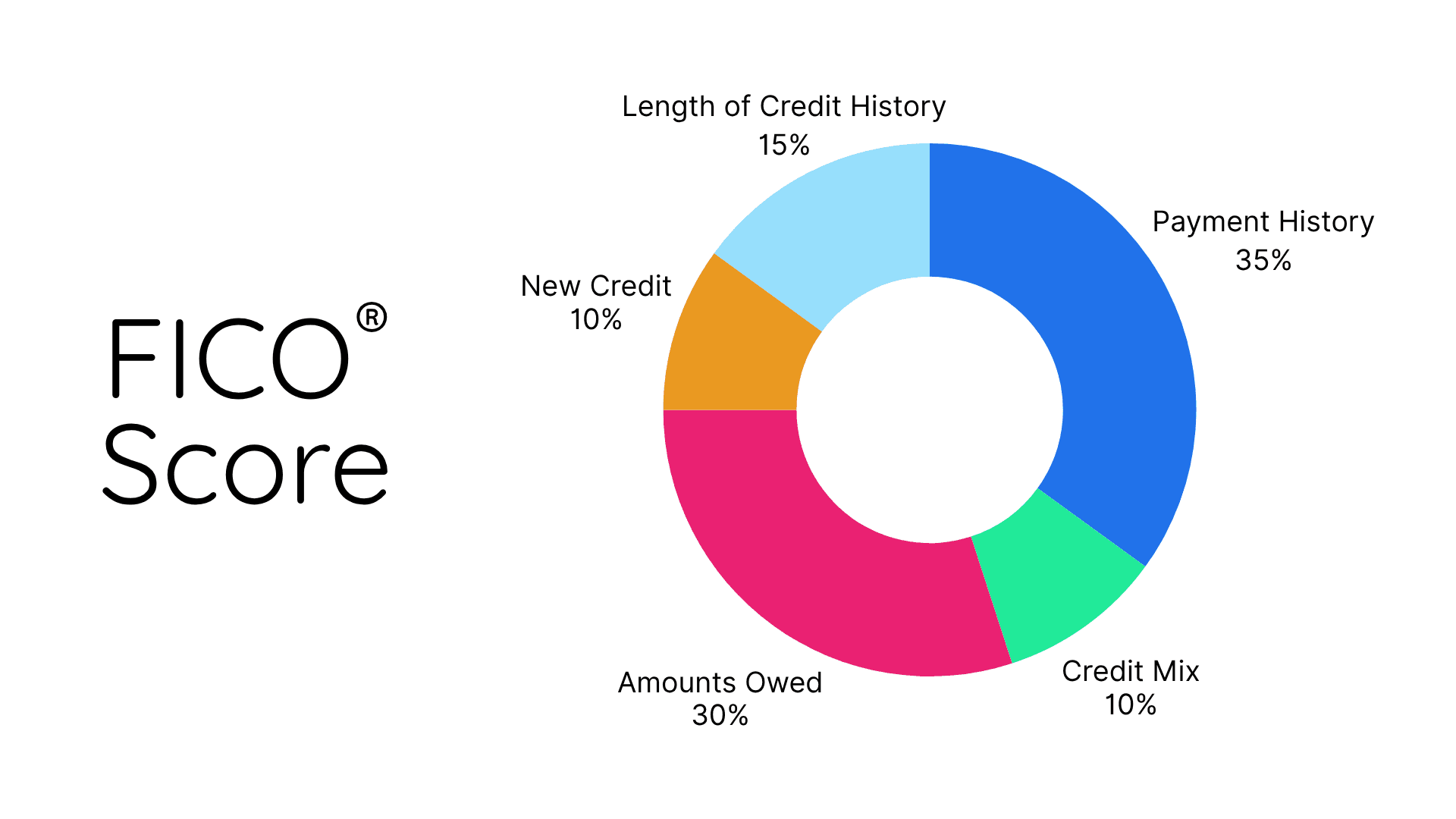
So, when BNPL accounts are reported, payment behavior becomes part of a person’s credit record. On-time payments may help build history over time. Missed payments can carry more weight once they’re visible to lenders. As BNPL becomes more integrated into credit reporting, this is one of the clearest ways it can affect credit outcomes.
Credit mix
Credit scoring models also look at the types of credit someone uses. If a longer-term BNPL plan is reported as an installment loan, it can sit alongside auto loans, student loans, or personal loans. Credit mix is usually not the biggest factor, but it contributes to the overall picture lenders see when evaluating credit.
Credit utilization and behavior
Pay-in-4 plans don’t function like credit cards, so they typically don’t affect utilization directly. However, CFPB research has found that BNPL users often carry higher balances on other forms of credit like credit cards or personal loans compared to non-users. That doesn’t mean BNPL causes debt. It more often suggests it operates alongside other borrowing rather than replacing it. A JPMorgan Chase Institute framing describes BNPL as a liquidity tool that helps smooth cash flow timing, but can also spread spending across more places than people are used to tracking.
Hard inquiries vs. soft inquiries
The credit check itself is easy to overlook. Some BNPL products only use soft inquiries, which don’t affect credit scores. Others, especially longer-term financing options, may involve hard inquiries that can temporarily impact credit and appear on a credit report. From the outside, the checkout experience can look almost identical either way. That’s where confusion often starts.
How missed payments can sneak up on you
What usually catches people off guard isn’t one purchase, it’s several. A few small purchases across different apps can feel manageable on their own. But together, they create multiple repayment schedules happening at the same time.
CFPB research shows most BNPL users have overlapping loans during the year. And because repayment timelines are short, missed payments can escalate quickly through fees, account restrictions, or collections depending on the provider.
The issue usually isn’t intent, it’s visibility. When everything is split into smaller pieces, it becomes harder to see what is still outstanding.
How to think of BNPL as part of your overall credit picture
BNPL tends to split opinion. Some people see it as a helpful way to manage cash flow. Others see it as a way spending can quietly build across multiple small commitments. Both perspectives can be true.
The Congressional Research Service describes BNPL as sitting between convenience and credit, where the benefit is immediate flexibility, but the tradeoff is growing structure in the background. Reuters reported that BNPL accounted for roughly $82 billion in U.S. online spending in 2024, showing how embedded it has become in everyday purchases.
So, the real question isn’t whether BNPL is good or bad. It’s what it looks like when all the pieces are added together.
A Fruition Mentor can help you understand BNPL and your credit
A lot of people use BNPL without stepping back to see how it fits into their broader financial picture. It can feel separate from other forms of credit, especially when each purchase is small and spaced out over time.
A Fruition Mentor isn’t there to make decisions. Their purpose is to help you understand how different financial tools connect, including how they show up across credit cards, loans, and installment plans over time.
Most people don’t need more complexity. They just need a clearer view of what’s already happening.
About the author
Nadine Burgos
AFC® Candidate, CPA Candidate, and CFP™ Candidate
Nadine Burgos is a first-generation Latina financial professional and entrepreneur pursuing her CFP, CPA, and AFC certifications. She helps women, Latinos, underserved communities, and clients of all backgrounds navigate financial planning, literacy, and tax preparation. With experience in auditing, accounting, banking, nonprofit teaching, and business operations, she blends education and practical strategies. She holds a BA in Economics with a Statistics minor and an MA in Accounting from Rutgers University and is an active member of FPA NexGen, NJCPA, ALPFA, and AFCPE.