Life Events + Financial Planning

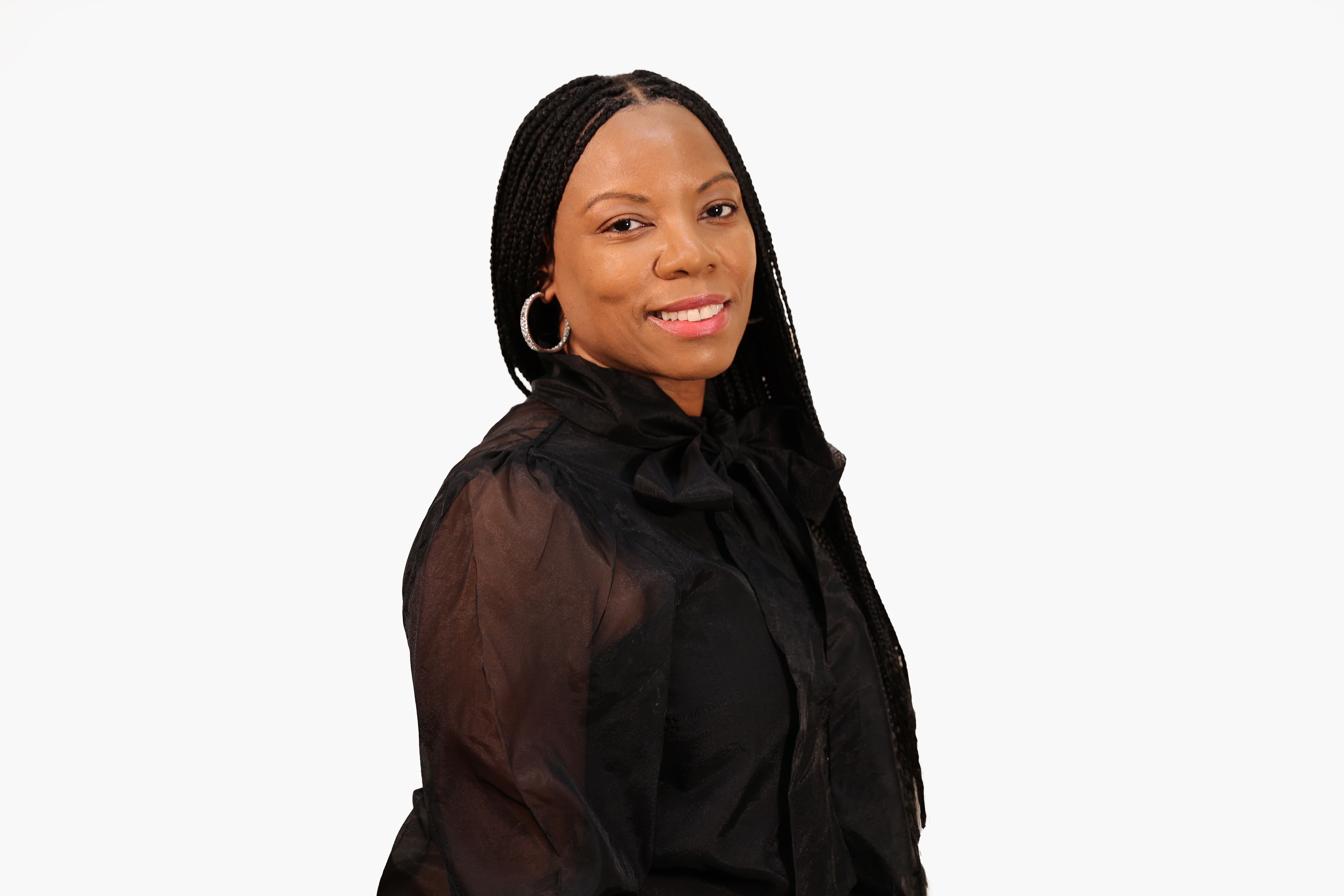
Jessica King
How To Navigate Your First Mortgage (Without The Overwhelm)

The mortgage process can feel like a lot. Here's a first-time buyer's plain-English guide to prequalification, loan types, and mortgage insurance.
You've decided you're ready to buy your first home – congratulations! You've worked hard to save for a down payment and now your dreams of color drenching your bedroom and creating a backyard oasis are finally coming true. But then you realize you don't know where to begin when it comes to getting a mortgage. Ugh! That was me just a few years ago when I bought my first home in 2024.
What is mortgage prequalification and why does it matter?
Before you ever begin looking at homes with your realtor, it's best to understand just how much home you can afford. That way you don't fall in love with a home way outside of your budget. The best way to do this is to get prequalified with a mortgage lender. What's great, but also extremely overwhelming, is that there are thousands of mortgage lenders out there and many different types of mortgages. So how do you know what's the right one for you?
How to find a mortgage lender you trust
Most banks and credit unions offer mortgages, so a good place to start is the place you already do your banking. Give your bank a call and ask them to get you in touch with one of their mortgage lenders. You can also call around to other local banks or use online-only mortgage providers like Rocket Mortgage and see how things compare. The best advice I can give about picking the right mortgage lender is find someone you can trust, who you can ask a million questions to, and who is willing to talk through all your options with you. At any point, if you're unhappy with your mortgage lender, find a new one! There are so many out there, and the mortgage lender doesn't typically get paid until you close on your home, so it won't cost you anything to switch.
What to expect during the prequalification process
Once you've found a lender you feel good about, the prequalification process is pretty straightforward and way less scary than it sounds. Your lender will take a snapshot of your financial picture to figure out how much they'd be willing to lend you. You'll share basic information like your income, monthly debts, assets, and employment history. Most lenders will also do a soft pull on your credit, which won't affect your credit score.
From there, your lender will give you a prequalification letter that shows sellers and realtors you're a serious buyer. It's not a guarantee that you'll get the loan, but it gives you a realistic price range to shop within, which is such a relief. To speed things up, have these ready: your last two pay stubs, two years of tax returns, a couple of months of bank statements, and your most recent W-2s. Getting these together ahead of time makes the whole process so much smoother!
Conventional loan vs. FHA loan: Which is right for you?
Now that you've found a mortgage lender, the next big thing to understand is the types of mortgages that you can get. The two most common types of mortgages are Conventional Loans and FHA Loans. As a buyer, you don't need to know all the intricacies of what makes these different. What is important to know is (1) what factors may make you qualify for one over the other and (2) which is a better option for you.
Conventional loans
Conventional Loans are usually better for buyers with stronger credit scores and more to put down. They are usually cheaper in the long run, but you do have to be a more qualified buyer. You'll need a credit score of 620 or better and a Debt-To-Income Ratio of 45% or less. The down payment can be as little as 3%, but there are benefits if you are able to put down a higher down payment.
FHA loans
FHA (Federal Housing Administration) Loans are a good option for buyers with a lower credit score, who have less to put down, and have a higher Debt-To-Income Ratio. They can typically offer similar but sometimes lower interest rates than Conventional Loans, but mortgage insurance may make your monthly payment higher overall. The federal government "insures" these loans, and this helps more people who may not qualify for a conventional mortgage have access to home ownership.
Which loan is right for you?
You may qualify for both a Conventional Loan and an FHA Loan, but you should weigh which one is better for you. A good mortgage lender will guide you through that decision. A good rule of thumb is that Conventional Loans are usually a better choice and are cheaper in the long run, but one big factor to consider is Mortgage Insurance.
FHA loans | Conventional loans | |
|---|---|---|
Credit score minimum | 580(with 3.5% down) or 500 (with 10% down) | 620 |
Max debt-to-income (DTI) ratio | Usually 43%, but can be up to 50% or more with compensating factors like a large savings account balance | Usually 45%, but can be up to 50% in some cases |
Down payment minimum | 3.5% (with a 580 credit score) or 10% (with a 500 credit score) | 3% for fixed-rate loans or 5% for adjustable-rate loans |
Loan limits | $524,225 in most areas | $806,500 in most areas |
Mortgage insurance | Mortgage insurance premiums (MIPs) required on all loans | Private mortgage insurance (PMI) required on loans with less than 20% down; removable |
Appraisals | Required by the FHA according to specific HUD guidelines and performed by an FHA-approved professional | Required by the lender to evaluate the property's value against the sales price, and performed by a state-licensed professional |
Original table from Bankrate.com
What is mortgage insurance, and how does it affect your payment?
Mortgage Insurance is automatically added to your monthly loan payment by your mortgage lender. Mortgage Insurance is required for all FHA Loans, and it can stay in place for the life of the loan. However, Conventional Loans only require Mortgage Insurance until you reach 20% equity in your home. Mortgage Insurance can cost $50-$200 per month or more, so it can really change how much you pay over the life of your mortgage.
How your timeline affects your decision
If you only plan to stay in your starter home for a couple of years and can't put down 20%, you'll likely be paying Mortgage Insurance, whether you get a Conventional Loan or an FHA loan. In that case, look to other loan terms to see which one is better, like which has a better interest rate. However, if you plan to stay in that home for longer, a Conventional Loan may be a better option since the Mortgage Insurance will fall off your mortgage payment once you reach the equity threshold.
Why sellers often prefer conventional loans
We also know how competitive the housing market has been and positioning your offer to be as strong as possible is key. Sellers typically prefer when buyers have Conventional Loans. That's because FHA Loans have more stringent requirements for certain things, like appraisals, and that can make your offer riskier in the eyes of the seller.
Mortgage tips I wish I'd known as a first-time buyer
If you're still feeling overwhelmed, that's okay! I hope your biggest takeaway is to work with a mortgage lender you trust, because they will guide you every step of the way in this decision.
Here are some other helpful hints I've learned along the way:
Don't feel defeated if your interest rate is higher than everyone else you know who has a 3% mortgage. You're not married to today's interest rate. You can always refinance down the road when interest rates are lower.
If you can make just 1 extra payment on your mortgage every year, you can shave around 5 years off your mortgage!
Your mortgage lender will likely "sell" your mortgage after it's originated. This is very normal, and most lenders do this. You'll always make your first mortgage payment to your mortgage lender. Then, if your mortgage is sold, you'll get a notice in the mail. All that changes is where you make your mortgage payment, not how much.
In addition to the down payment, you'll also pay closing costs. Some mortgage lenders have promotions where certain closing costs are waived, but budget for another +/-$10,000 on top of the down payment for closing costs.
Your monthly mortgage payment isn't just principal and interest. It also includes homeowners insurance, real estate taxes, and mortgage insurance that we talked about above. This payment is called PITI (Principal, Interest, Taxes, Insurance). Lenders do this so that they are certain that the property taxes and homeowners' insurance get paid. You'll shop around for your homeowner's insurance policy, and your mortgage lender and the insurance agent will take care of the rest.
About the author
Jessica King
Jessica is a seasoned financial professional with extensive experience in commercial banking and relationship management. She has been with C&F Bank, serving in various roles in commercial lending, for almost 10 years. In her current role as Vice President and Commercial Relationship Manager, she partners with businesses to deliver tailored financial solutions that drive growth and long-term success.
Jessica specializes in strategic lending and risk mitigation, ensuring clients receive comprehensive support for their evolving needs. Her approach combines deep industry knowledge with a commitment to building strong, collaborative relationships.
Previously, Jessica held positions in portfolio management and credit analysis, where she developed expertise in underwriting, financial modeling, and assessment, which brings a unique blend of analytical skills and customer-focused solutions to their current lending role. She is passionate about helping organizations achieve their goals through innovative financial strategies and personalized service.